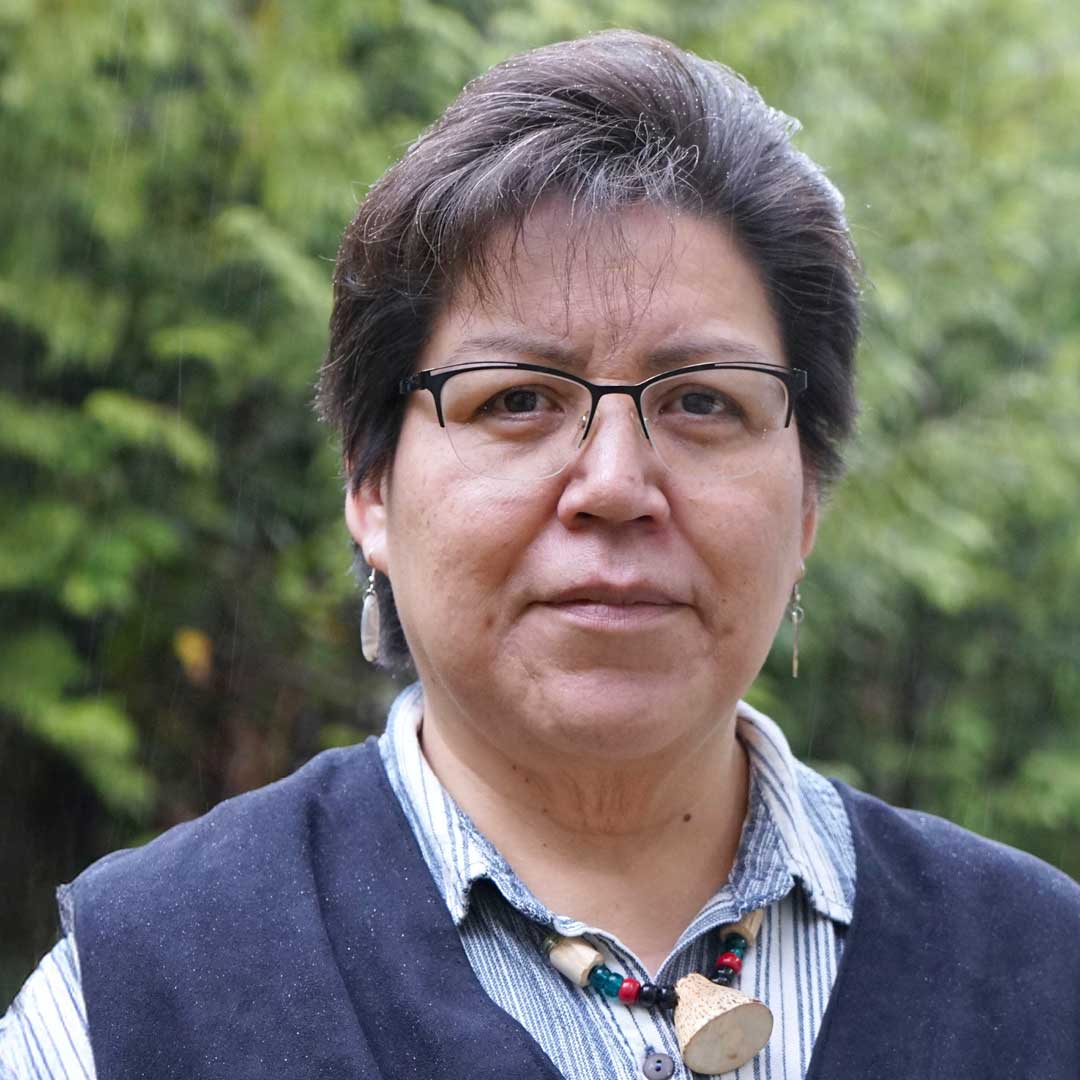
Charlene Belleau (Eaglestar Woman)

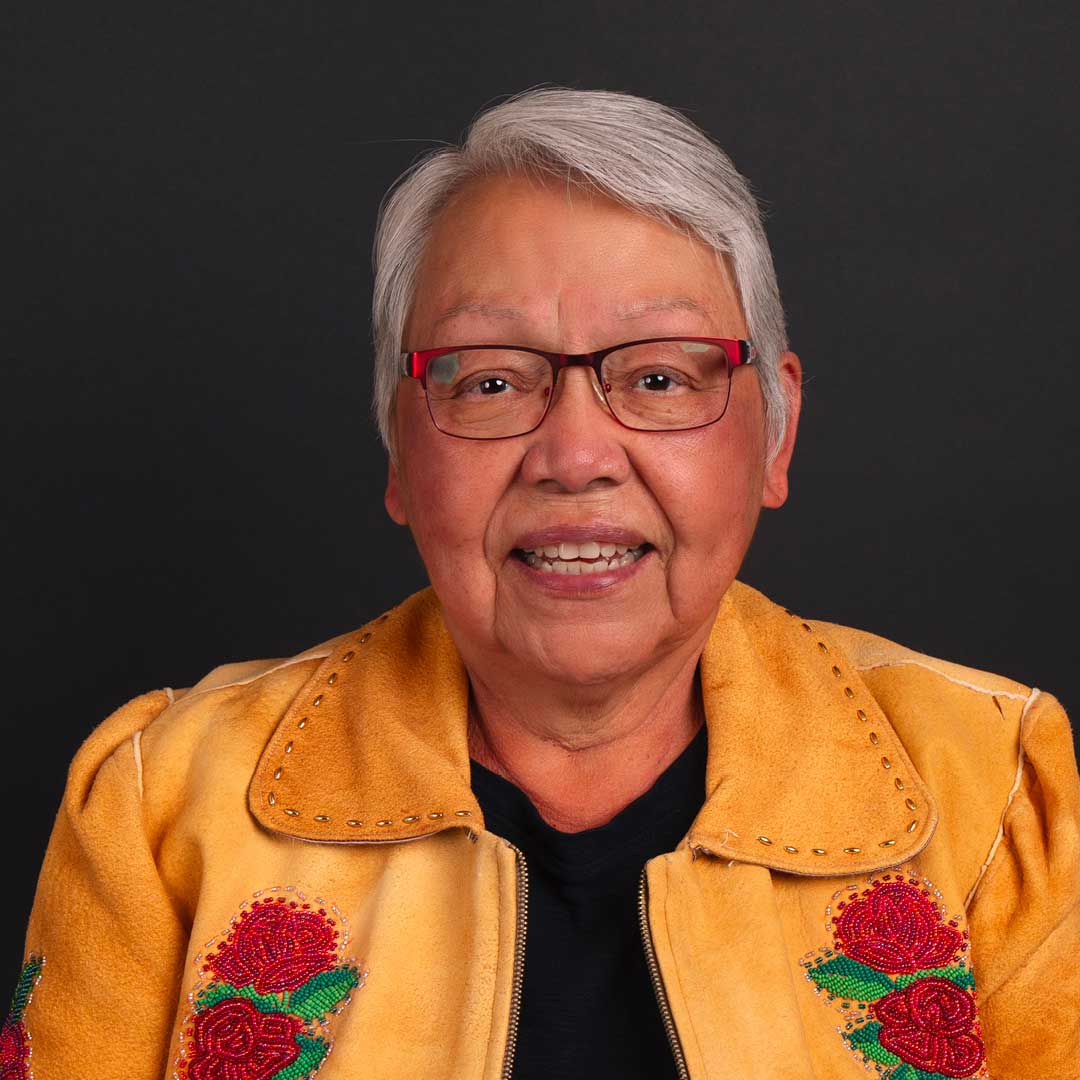
Photo credit: Kylie Forseille Photography

A lifelong advocate for truth, justice, and healing, Charlene Belleau (Eaglestar Woman) has devoted her career to advancing reconciliation and supporting residential school survivors, their families, and communities across British Columbia.

Appointed in 2021 by the Honourable Murray Rankin, Minister of Indigenous Relations and Reconciliation, as First Nation Liaison, Charlene provides critical guidance to the Province of British Columbia in its response to findings at former Indian Residential Schools and Indian Hospitals. In this role, she serves as a vital bridge between governments and First Nations, helping ensure that communities receive the resources, respect, and support needed to pursue truth, healing, and accountability.

A residential school survivor herself, Charlene has been a leading voice in addressing the intergenerational impacts of colonial institutions. She has supported communities in collecting and protecting oral histories, accessing historical records, and creating safe spaces where survivors can share their truths with dignity and care.

Charlene’s expertise and lived experience have also informed broader public understanding of this history. She served as Senior Investigator on the documentary Sugarcane (2024), which was nominated for an Academy Award (Oscar) for Best Documentary Feature and awarded Best Documentary Feature at the 2024 Sundance Film Festival. Her contribution helped ensure that survivor voices and community perspectives were honoured with integrity and respect.

Over decades of leadership, including her service as Chair of the First Nations Health Council and as Provincial Indian Residential School Coordinator, where she played a key liaison role with the RCMP Native Indian Residential School Task Force, Charlene has worked tirelessly to confront systemic injustice and advance Indigenous rights. Her compassion, integrity, and steadfast commitment continue to inspire a collective journey toward reconciliation grounded in truth-telling, healing, and the restoration of dignity for Indigenous Peoples.
Aboriginal Housing Management Association

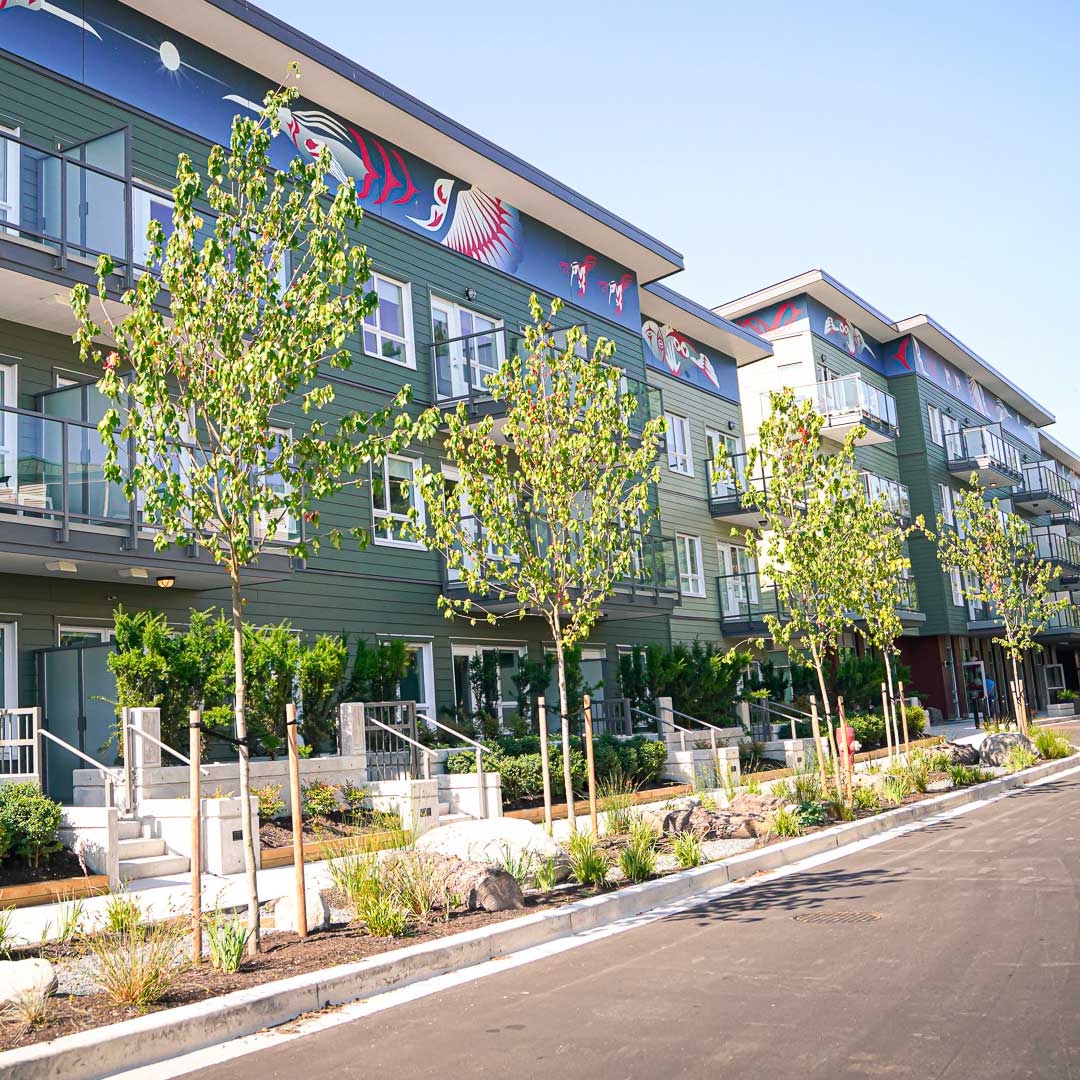
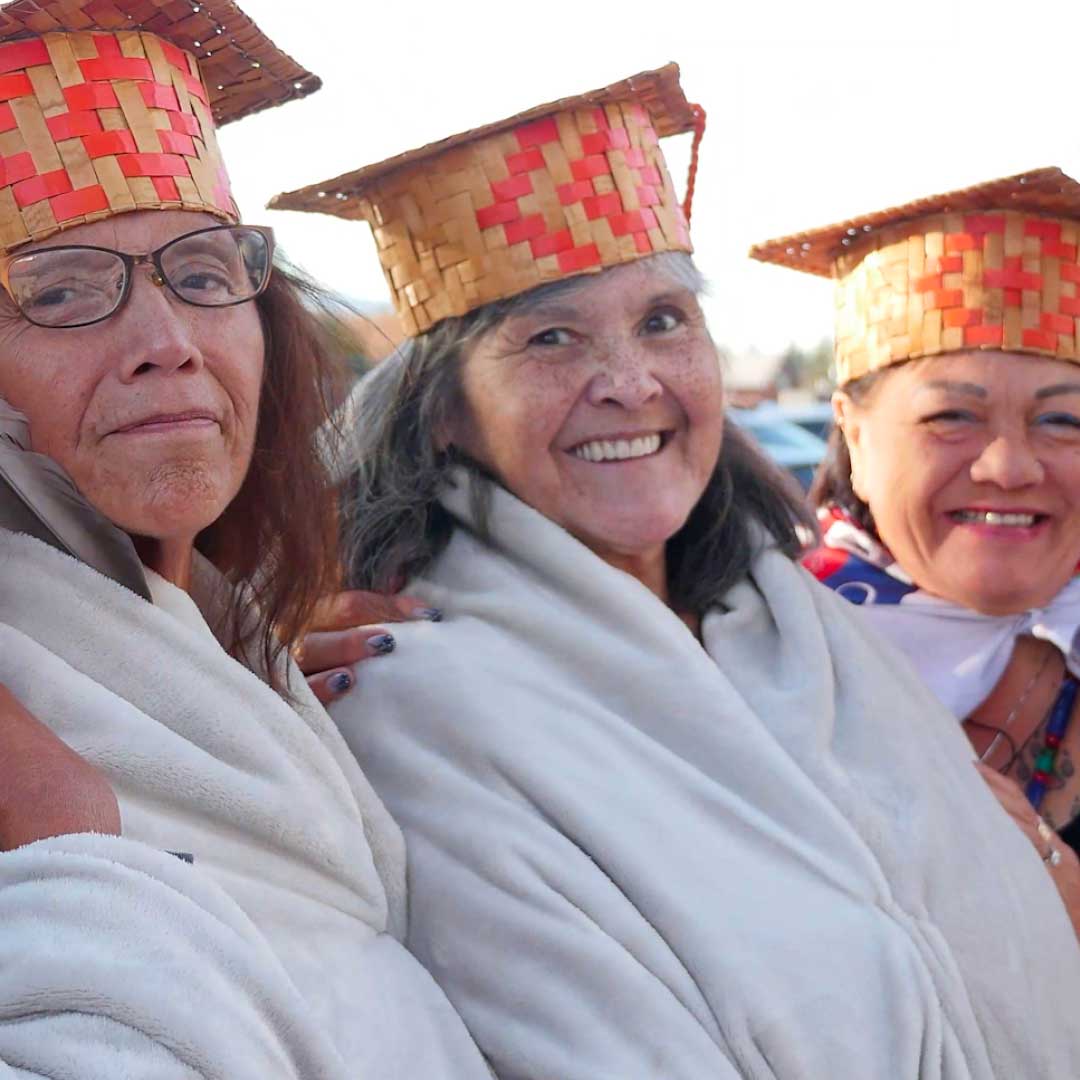
For 30 years, the Aboriginal Housing Management Association (AHMA) has been a driving force in advancing housing rights for Indigenous Peoples living in urban, rural, and northern areas across British Columbia. AHMA members provide over 95% of off-reserve Indigenous housing, supporting over 10,000 individuals and families.

AHMA is the only Indigenous-led organization dedicated to meeting the housing needs of non-status and colonially displaced Indigenous Peoples in BC. AHMA reclaims self-determination through housing that honours tradition and community while advocating tirelessly for culturally grounded, self-determined housing solutions.

In 2022, AHMA released BC’s first Urban, Rural, and Northern Indigenous Housing Strategy, a groundbreaking For Indigenous, By Indigenous (FIBI) model now recognized as a national benchmark.  In 2023, AHMA co-founded the National Indigenous Housing Collaborative, securing the first $4B federal investment for Urban, Rural, and Northern Indigenous housing, and helping drive a historic $500M BC government commitment to establish the Rental Protection Fund. AHMA also led efforts to establish and then double BC’s Indigenous Housing Fund while launching Hišukiš ćawak, an Indigenous-led complex care model that takes a healthcare-based, trauma-responsive approach to addressing homelessness.

In 2025, AHMA launched a gender-based violence housing strategy, an Indigenous Youth Housing Strategy, and a UBCM resolution to establish an Indigenous-led housing alliance in BC. AHMA works in partnership and collaboration with a huge array of dedicated connections provincially and nationally to keep urban Indigenous housing needs and solutions at the forefront.

Guided by the principle “nothing about us without us,” AHMA leads with integrity and vision to ensure every Indigenous person can access safe, affordable, and culturally connected housing. Through its FIBI model, AHMA empowers housing providers building credibility, partnerships, and access to resources. AHMA challenges systems, policies, and colonial legacies to drive meaningful transformation for Indigenous Peoples. Its advocacy and innovation advance reform, strengthen communities, and deepen reconciliation, setting a lasting standard of leadership and impact across the sector.

syiyaya Reconciliation Movement

The syiyaya Reconciliation Movement (syiyaya) was founded through the leadership of Hereditary Chief ?akista xaxanak Garry Feschuk, Sechelt Indigenous Elders, and non-Indigenous allies, in collaboration with the shíshálh Nation. Built on the principle of shared leadership, syiyaya fosters open dialogue, education, and relationship-building between Indigenous and non-Indigenous communities on the Sunshine Coast.

Dedicated to truth, healing, and partnership, syiyaya provides spaces for Survivors of the Indian Residential School system to share their stories through community gatherings, films, workshops, and dialogue circles. Projects such as Carving Tears into Dreams of Reconciliation and Weaving Tears into Dreams of Reconciliation have engaged thousands in hands-on, cross-cultural collaboration transforming awareness into action. The resulting public artworks, unveiled in 2024, now stand as lasting symbols of respect, unity, and reconciliation.

Since its first Orange Shirt Walk, syiyaya has inspired a community-wide shift in understanding. Annual “syiyaya Days,” held from National Indigenous Peoples Day to Canada Day, celebrate shíshálh culture and have become a model for reimagining national observances. With equal Indigenous and non-Indigenous representation, the syiyaya Committee and its volunteers continue to lead by example empowering youth, uplifting Elders, and ensuring reconciliation is not an event, but an ongoing relationship built on truth, respect, and shared humanity.

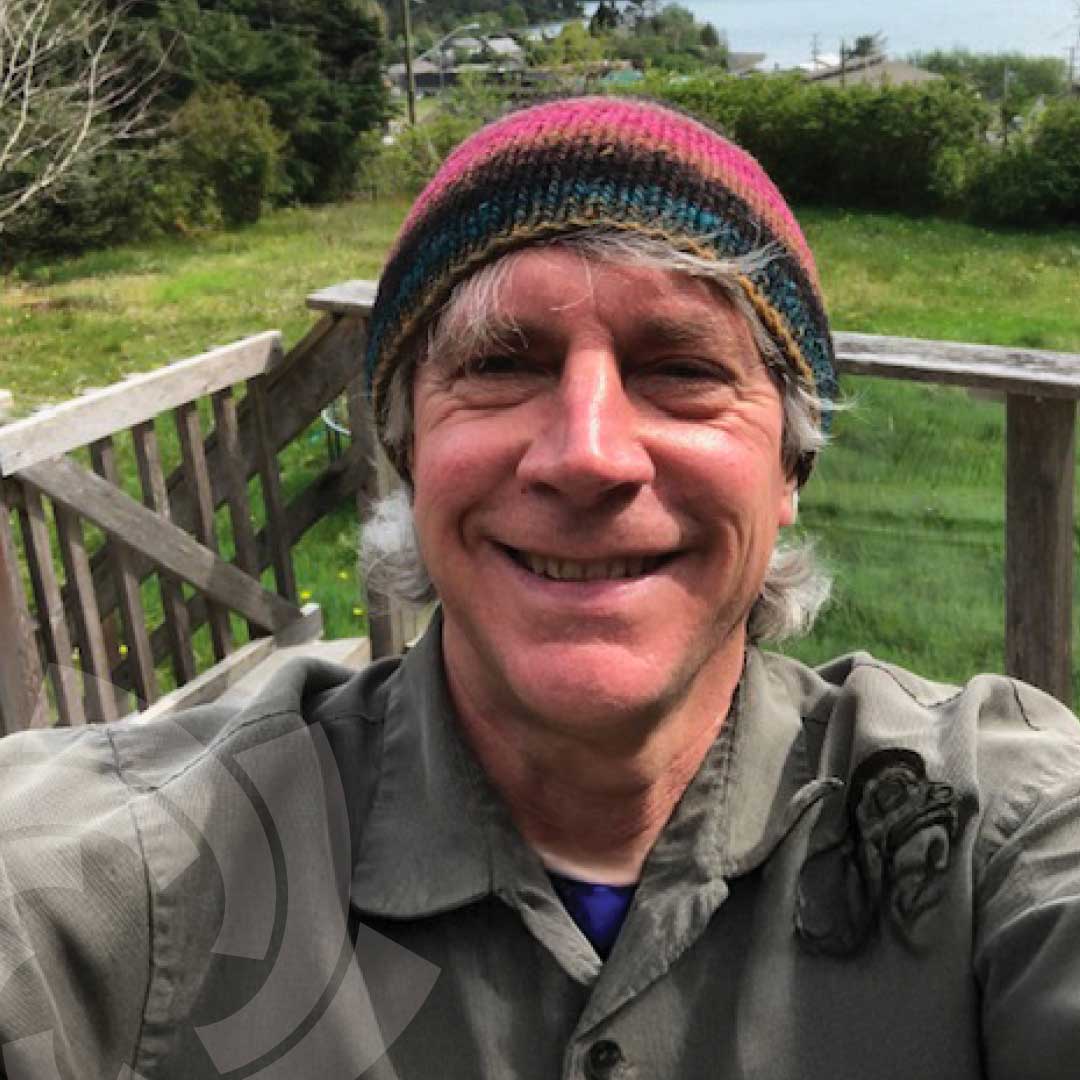
Kevin Borserio (Luu G̱aahlandaay)

For more than two decades, Kevin Borserio (Luu G̱aahlandaay) has dedicated his life to the preservation and revitalization of the Haida language. Based in Daajing Giids, Kevin served as Coordinator of the Skidegate Haida Immersion Program (SHIP) for over 20 years, guiding it from its early days into a nationally and internationally recognized model for Indigenous language renewal.

When SHIP began in 1998, there was no regular immersion program for Haida. Through Kevin’s leadership and close collaboration with Haida Elders, the program flourished documenting thousands of words, stories, and teachings that might otherwise have been lost. His work led to the creation of a 26,000-word X̲aayda kil glossary, distributed to every Haida household, as well as children’s books, digital archives, and mobile learning apps that continue to inspire new speakers.

Kevin’s lifelong commitment embodies the Truth and Reconciliation Commission’s Calls to Action 13–17, which emphasize the preservation and promotion of Indigenous languages as fundamental to reconciliation. His leadership demonstrates how reconciliation is advanced through language, culture, and intergenerational knowledge-sharing.

The strength and endurance of SHIP stand as a living testament to Kevin’s vision – a reminder that language is not only communication, but connection, resilience, and identity. His legacy ensures that the voices of the Haida people will continue to be heard for generations to come.

Deanna Duncan (H̀búkvs λamalayu)

Deanna Duncan (H̀búkvs λamalayu), an educator at Kitasoo Community School in Klemtu, BC, transforms education through reconciliation by centering Indigenous knowledge, culture, and leadership within the classroom. A member of the Kitasoo Xai’xais Nation, she motivates children, youth, and adults to embrace their identity and stewardship responsibilities while creating pathways for systemic change in education.

Recognizing the absence of culturally relevant curriculum, Deanna wrote and developed three Ministry of Education–approved courses: Supporting Emerging Aboriginal Stewards (SEAS) 10, 11, and 12 providing academic credit for land-based learning, traditional teachings, and service in the community. Her work ensures that Indigenous students’ experiences and values are recognized as integral to academic success.

Through SEAS, students learn directly from Elders and knowledge keepers, harvest local foods, and study the land and waters of the Great Bear Rainforest. These courses have raised graduation rates for Indigenous students while strengthening identity, belonging, and intergenerational learning.

Beyond Klemtu, Deanna has shared her work nationally, including at the First Nations Education Steering Committee (FNESC) conference, inspiring educators to integrate reconciliation into classrooms across Canada. She also leads community commemorations for the National Day for Truth and Reconciliation, ensuring that truth-telling, culture, and healing remain at the heart of learning.

Deanna’s leadership demonstrates reconciliation in action through education that honours the land, uplifts community, and empowers future generations.

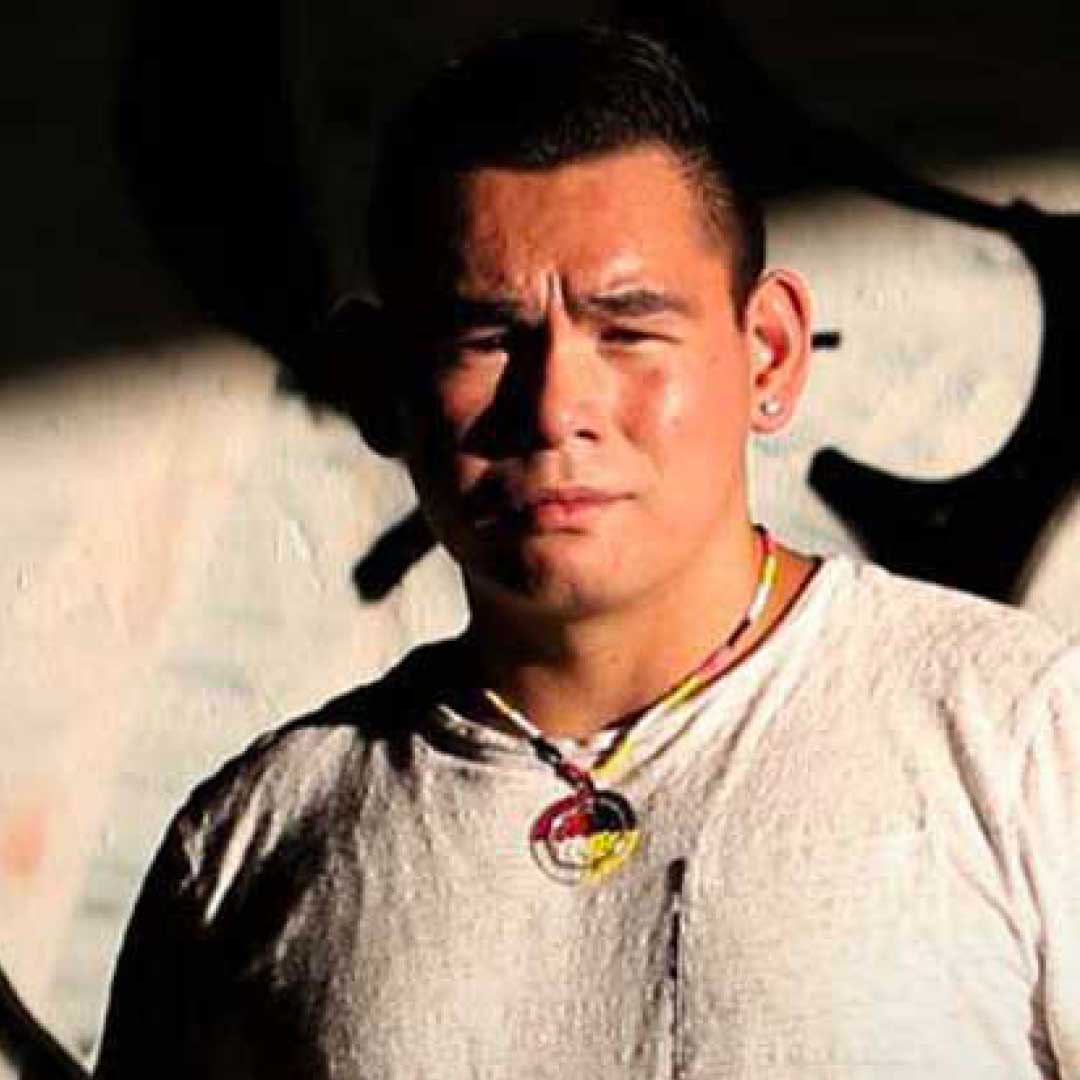
Dwight Ballantyne

Dwight Ballantyne, founder of The Ballantyne Project, is transforming awareness into action by amplifying the voices of Indigenous youth living in remote First Nations. Born and raised in Montreal Lake Cree Nation, Saskatchewan, Dwight spent 21 years feeling “invisible,” facing the deep inequities and isolation that shape life in many northern communities. His journey, from those early experiences to building a new life in British Columbia, has become a bridge for understanding between Indigenous and non-Indigenous Canadians.

In 2019, Dwight launched The Ballantyne Project and its powerful campaign #WeSeeYou, using storytelling, mentorship, and education to shine light on “the invisible segment of Canada.” Through in-person and virtual presentations, he has reached thousands of students, educators, corporations, and community groups, sharing lived experiences that reveal how colonial history continues to affect Indigenous youth today.

Dwight’s work directly supports reconciliation by advancing truth-telling and empathy. He develops educational tools and short films that address topics such as residential schools, the Sixties Scoop, and the Pass System, helping Canadians understand the roots of intergenerational trauma.

Beyond awareness, The Ballantyne Project delivers tangible impact—sending resources to remote communities, organizing youth mentorship trips, and fostering partnerships that create opportunities for Indigenous youth. In 2025, Dwight opened the Bridge House in Maple Ridge, a place where Indigenous youth from remote and northern communities can stay while exploring education, employment, and life pathways that are often inaccessible at home. Dwight’s dedication exemplifies reconcili-action: using personal truth to build understanding, connection, and hope across cultures.

Honouring Our Elders Legacy Project Coordinating Team

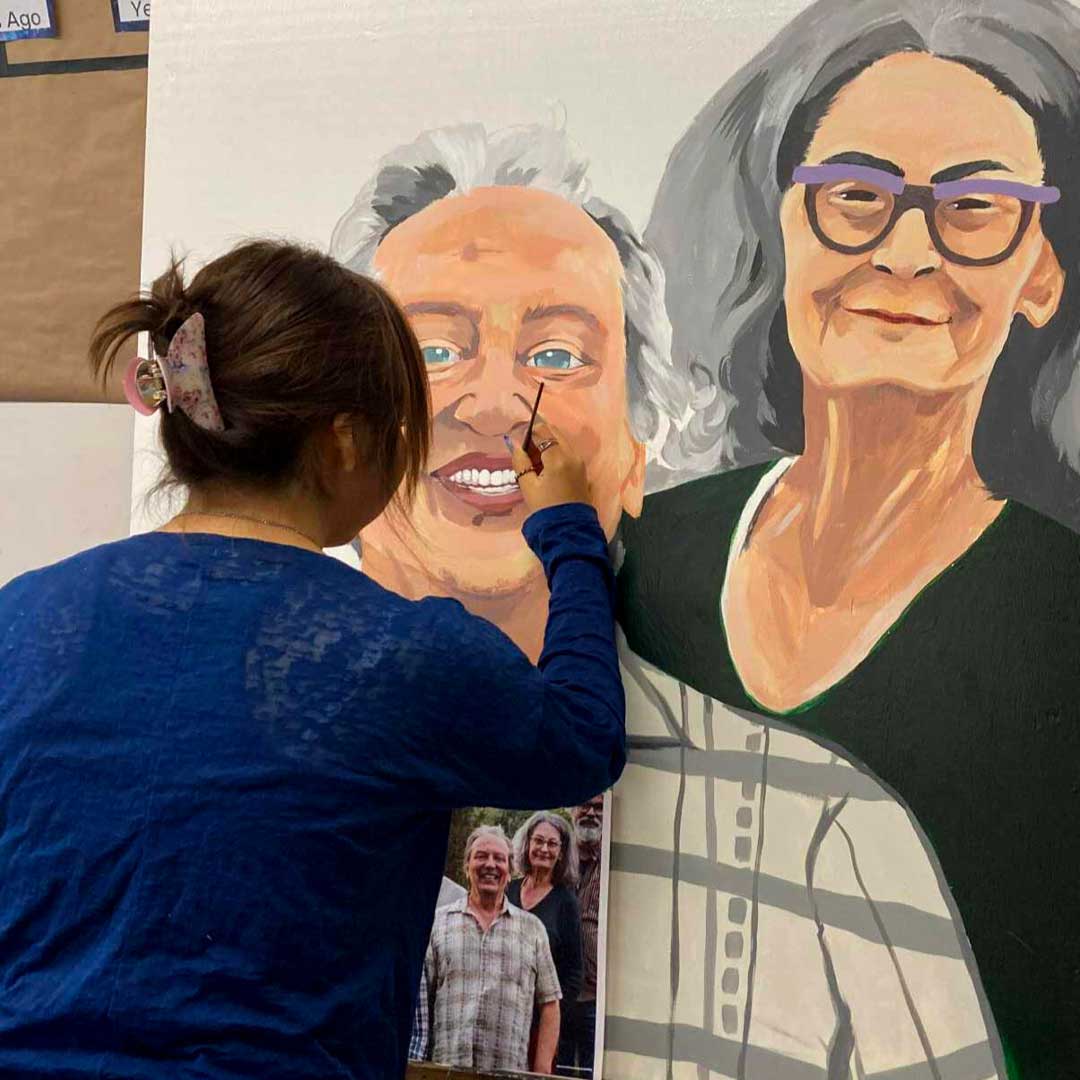
Launched in 2005-2006 through the collaboration of SD54 Indigenous Education Principal Birdy Markert, Indigenous Support Workers Millie Gunanoot and Melanie Morin, Smithers Secondary School art teacher Perry Rath, and overseen by the SD54 Indigenous Education Council, the Honouring Our Elders Portrait Legacy Project was created to bridge divides, strengthen understanding, and engage reconciliation through art.

Held every two years, the project celebrates one living Elder from both the local Witsuwit’en and settler communities: individuals recognized as carriers of culture and contributors to the well-being of others. After Elders accept the honour, students are selected to paint their portraits, beginning a process of learning, artistic growth, and relationship-building.

The unveiling ceremony – featuring stories, performances, and a shared luncheon – has become a cherished community event, uniting families, youth, and dignitaries in a mutual celebration of respect and gratitude. Each 4’x4’ portrait is permanently displayed outside the school’s main entrance, where it welcomes visitors and affirms the values of community and reconciliation.

Now in its ninth cycle, the project continues to inspire deep reflection and connection. It provides youth with meaningful engagement in social change through art, encourages dialogue about identity and history, and honours Elders whose wisdom and resilience continue to shape the community. The portraits stand as enduring symbols of respect, understanding, and reconciliation.

Mario Pao

Mario Pao is a multidisciplinary artist, designer, and maker whose practice bridges architecture, traditional craft, and material innovation. Trained as both an architect and a woodworker, Mario leads Workbench Studio—an interdisciplinary design studio that produces conceptually rich, technically precise, and boldly original work.  

From large-scale installations to finely detailed furniture and objects in wood, metal, and ceramics, Mario’s work reflects an intuitive understanding of materiality and form. His pieces are grounded in rigour and craft yet always reach beyond function—inviting deeper dialogue about space, identity, and the handmade. Beyond the materials and the creation of the physical objects themselves, he shows a deft hand at bringing people into his studio that can contribute their own knowledge and artistry to elevating the body of work beyond the output of a single person. 

 Mario’s art has a growing influence across BC’s creative landscape, exemplifying ambition, ingenuity, and cultural contribution. 

Russell Hackney

Russell Hackney is a third-generation ceramic artist whose porcelain works reflect over four decades of skill, refinement, and dedication to the art of slip-casting and relief modelling. Trained in Stoke-on-Trent, England—long considered the heartland of fine ceramics—Russell apprenticed under his father in the family pottery before earning a degree in 3D Design. Since immigrating to British Columbia in 2002, he has become a vital contributor to the province’s design and clay communities through both service and artistry. 

Working from his studio on Bowen Island, Russell draws inspiration from the natural world and cultural undercurrents, producing embossed porcelain forms that merge technical mastery with contemplative design. His dual role as maker and mentor has introduced many to the possibilities of slip-casting and mould-making, supporting artists across BC. In both functional ware and sculptural expression, Russell’s work carries forward a legacy of excellence in applied art. 

Russell is the 2025 Applied Art + Design (AAD) Award of Distinction recipient. The Award of Distinction is presented to an established artist in recognition of extraordinary and sustained accomplishment in applied art + design. Recipients exemplify committed vision, innovative enterprise, and their community and province.

Tyler James Goin

Tyler James Goin is an emerging voice in contemporary ceramics and metal-based craft, recognized for sculptural works that merge industrial precision with emotional depth. With nearly two decades of creative exploration across painting, music, and writing—and early mentorship from sculptor Tony Bloom—Tyler brings rare interdisciplinary fluency to his practice. His foundation as a Red Seal Millwright in Vancouver’s heavy industrial sector grounds his work in structure, material sensitivity, and a deep respect for process. 

Tyler’s practice centres on large-scale ceramics and forged metalwork that evoke the strength and solitude of the mountainous landscapes he grew up in. His forms carry a quiet complexity—pieces that feel both monumental and intimate. With a growing presence in BC’s design and craft community, Tyler exemplifies the values of innovation, resilience, and material intelligence. 

Tyler is the fifth recipient of the Judson Beaumont Emerging Artist designation, named in honour of the late BC-based furniture designer.